Showing posts with label Pregnancy Health. Show all posts

Saturday, September 12, 2015

Stretch Marks and Pregnancy ~ How to Minimize their Occurance


Stretch marks. Striae Gravidarum. The marks of pregnancy. Call them what you will. But they are the one thing that all women dread will occur as soon as they get pregnant.
But what are stretch marks anyway? And why do they occur?

Well, the reason lies in the anatomy of the skin. The skin has two layers – a thin upper layer called the epidermis, and a thicker, lower layer called the dermis. Scattered in the dermis are fine protein filaments called elastin that, like a piece of rubber band, are capable of stretching on being pulled. But just as a rubber band can stretch only so far and no further, these elastin fibres can also be stretched only to a certain extent. If stretched further, they snap. The increasing bulk of the uterus during pregnancy causes the skin to stretch to a great extent and the elastin fibres are torn. The torn elastin produces scars on the skin called Stria Gravidarum or stretch marks.

They occur on the lower abdomen of all pregnant women, right?
Well, right and wrong. They appear in most pregnant women, but not in all and not just on the lower abdomen. Stretch marks occur when the skin is stretched in a very short period of time, as in pregnancy or in obesity. 

They occur:
-In the lower abdomen in pregnancy.
-Along the sides of the breasts either in pregnancy or in obesity.
-Upper thighs.
-Occasionally even on the inner sides of the upper arms.

But can stretch marks be prevented?
Thankfully, the answer is yes, to a certain extent. Although some women are genetically prone to develop stretch marks, it has been noted that athletes and women accustomed to heavy, physical labour get very few or no stretch marks. This is regardless of whether their female relatives have stretch marks or not. The reason for this is that that these women have very well-developed and strong abdominal muscles. These muscles can easily take the weight of the growing uterus and prevent it from pressing forwards on the skin – rather like wearing a strong muscular belt under the skin. The skin is thus stretched less, less elastin fibres are damaged, and there are fewer stretch marks.

Again a supple, healthy, well moisturized skin is capable of stretching more without any lasting damage. So if a woman can strengthen her abdominal muscles and keep her skin healthy and supple, there is less chance of her developing stretch marks.

But how? How do I develop my muscles and keep my skin moisturized?


1. Exercises
Gentle exercises for the abdominal muscles can be started as soon as pregnancy has been confirmed or even as pregnancy is being planned.

Exercise 1 : Standing erect, raise both arms above the head. Bend forward slowly to touch your toes. Hold the position for a count of 100. Then slowly straighten up. Do this exercise at least once daily.

Exercise 2 : Standing erect, raise both arms above the head and clasp your hands. Now bend slowly to your left as far down as you feel comfortable. Hold for a count of 10. Straighten up slowly and then bend to your right. Hold to a count of 10. Straighten up. Exhale as you are bending and inhale while straightening up. This makes one set. Do at least 3 sets once daily.

Exercise 3 : Stand straight with feet about 12 inches apart. Place hands on your back at the waist. Slowly bend back, as far back as you feel comfortable. Hold to a count of 10. Straighten up. Now bend forward slowly, hold the position to a count of 10. Then straighten up. Exhale as you are bending and inhale while straightening up. This makes one set. Do at least 3 sets once daily.

These three exercises will strengthen the abdominal and back muscles as well as gently stretch the skin. They also improve the posture during pregnancy.


2. Caring for the skin 
Keep the skin moisturized by applying oil – olive oil, coconut oil, almond oil or any good baby oil – thoroughly over the skin of the abdomen, hips and thighs. Massage it in with sweeping upward strokes. You can do this before you exercise so that the oil is properly absorbed as the skin is stretched during exercise. This will make the skin supple and healthy and capable of stretching without damaging the elastin fibres. The elastin and collagen growth can be stimulated to some extent by cocoa butter, Vitamin E, wheat germ oil and lanolin. But to remove the marks completely, laser surgery, blue light therapy and other surgical treatments are the only options. Many creams and lotions available on the market also claim to be able to remove stretch marks but have yet to be medically proved.


3. A Good Diet
Take a good diet with lots of fresh fruits and vegetables and adequate liquids. And do not forget your daily vitamins. This will ensure a healthy and supple skin.

Friday, September 26, 2014

Pregnancy & Hair Loss

First of all congratulations on your pregnancy!

One of the major changes is change with the hair like other parts of the body. It could thin or fall out, or it could also thicken. Understanding why this happens during pregnancy and what you can do to help the problem will help you in fighting the thinning and loss of your hair or with extra hair growth.

Hormones have lot of effects on your hair. The main reason your hair will change during pregnancy is the change in hormones. Estrogen plays a large part in the way that your hair is shaped. If your hair begins to grow faster and becomes thicker, it is most likely because there is an increased amount of estrogen that is moving through your body. 

Estrogen moves to the hair follicles in your body to increase the growth rate. There will also be extra nutrients that are provided from the estrogen increase, which will also increase hair growth. This is usually a result of the estrogen allowing the metabolism to move faster, which then supplies extra nutrients throughout the body.

Another change that you may notice from pregnancy is a change in the style. Your hair may not only be fuller or thinner, but may also change from straight to curly, or have the opposite effect. This is usually attributed to the hormone changes as well. The hormone increase that you experience will automatically move into the cortex, where hair begins to grow and add the texture to it. Usually, this will not change back until the hormones return to normal after pregnancy.


These same changes also occur after your baby is born. You may realize that your hair is thinning or falling out. Usually, the first three to six months after pregnancy will cause a change in your hair. This should be expected and is normal after a pregnancy. This usually occurs because the estrogen levels are able to move back to normal and slow down the nutrients that are moving through your body.

One of the things to be aware of is if your hair falls out during your pregnancy, it is most likely a result of not receiving enough nutrients for your body to produce the right amounts of estrogen. Without those essential nutrients, your body is unable to produce the amount of estrogen it needs.  This is especially a problem within the first trimester because of morning sickness and nausea. It is important to make sure that you are getting the right amounts of nutrients during this time to allow your body to stay balanced.

Knowing what changes your body goes through during pregnancy will help you adjust your hair routine to keep it healthy. Additional vitamins and other supplements will help your hair and scalp healthy and your hair beautiful.

Some suggestions to avoid/prevent hair loss:

1. Avoid tying your hair too tightly.

2. As hair is more fragile when it is wet, avoid tying your hair while it is still damp.

3. Use a wide tooth comb to slowly untangle your hair, starting from the ends up.

4. Supplement your diet with the following vitamins and supplements:
- Vitamin B Complex
- Vitamin E
- Vitamin C
- Zinc

5. Avoid Stress!  Avoid potentially stressful situations. If you have a stressful job, take short breaks in-between for a breather.


Friday, August 8, 2014

Good Exercises to Do When Pregnant

Most women can and should exercise when pregnant. Unless your pregnancy is high risk or your doctor has ordered you to stay in bed, there is no reason in fact you can’t exercise while pregnant.

Studies show that there are numerous benefits to exercising while pregnant. You can improve your energy levels, get your blood pumping to your legs and improve your circulation, and improve your chances for a speedy recovery.

Another reason to exercise? Moms who worked out while pregnant generally had shorter and easier labors.

So what kinds of exercises are good to do when pregnant?

Well let’s start with those you should avoid. You should avoid embarking on any stringent exercise program you are unfamiliar with. Avoid running and other jarring activities unless you are a very experienced runner. Even then you should consult with your physician.

Here are some generally good and safe exercises that are recommended during pregnancy:

Walking – This is the best overall exercise for pregnant mothers anywhere. It is low impact but still gets your heart rate up and your blood pumping. Walking is usually safe throughout the entire pregnancy.

Slow Jogging – Jogging can be done safely if you are an experienced jogger. You should reduce your jogging regimen however the further along you are in your pregnancy. If you are not able to have a conversation when jogging, then you are working out too hard.

Swimming – This is the number one exercise and the safest exercise when it comes to pregnancy. Swimming alleviates the heaviness you feel from weight gain associated with pregnancy. It also provides you with optimal cardiovascular benefits and helps you feel light and refreshed.

Stretching – Stretching can help you maintain your muscle tone and stretch out tight ligaments during pregnancy. 

Light Weight Training – Light Weight training is a great way to maintain and build muscle during your pregnancy. Just keep in mind you should avoid heavy weights and weight bearing exercises that require you to lie on your back.

To be safe you should always consult with your doctor or physician before beginning any exercise program. Most pregnant women are fine to work out particularly if they’ve been active before.

If you are just starting a program be sure to take it easy initially. You should also commit to exercising regularly. Generally 30 minutes of exercise 4-7 days per week is
recommended.

One last point… be sure to keep hydrated and avoid over-heating which can be dangerous for you and your baby. Avoid getting your heart rate much over 140 and stop any exercise if you start to feel dizzy or lightheaded. Also don’t forget the importance of warming up before any and all activity. You’ll reduce the likelihood of injury. Warm up after activities will also help your heart rate return to normal. 

Monday, February 17, 2014

6 Foods to Avoid during Pregnancy


It is essential that you take care to avoid certain foods when pregnant. This is due to your baby’s immune system not being sufficiently developed to fight any infection you may pass to it whilst within the womb. It is believed that a mum-to-be’s immune system may not function at its peak during pregnancy so it is essential that all necessary precautions are taken

Foods to Avoid


1. Cheese


Not all cheeses contain bacteria but there are some, especially soft cheeses which could be potentially harmful to a pregnant mother. Do avoid soft cheeses which usually have a surface mould or rind such as Brie, Camembert and Danish Blue. Also avoid cheeses coated in wax such as Gouda, Post Salut. It is best to stay clear of the majority of blue veined cheeses such as Stilton, Gorgonzola and Roquefort. There's a chance these soft cheeses could contain listeria, a bacteria that would otherwise get killed during pasteurization. This infection can lead to miscarriage or preterm delivery.
Hard Cheeses such as Cheddar, Parmesan, and Red Leicester fall into the safe category as do softer cheeses made from pasteurized milk such as Cottage cheese, mozzarella, ricotta, processed cheese and cheese spreads. If in doubt, play safe and avoid eating it.

2.Eggs

The salmonella bacteria is most commonly found in eggs. It is best to avoid eating soft or half boiled eggs or any foods made with raw or partly cooked eggs such as homemade mayonnaise, cheesecakes, sorbets or mousses. Eggs are only safe if they have been cooked long enough so that their yolks are hard. Shop-bought mayonnaise is usually safe as long as they have been made with pasteurised eggs. Always check the label if in doubt.

3. Unpasteurized Milk


Avoid all products which have not been pasteurized. Unpasteurized or raw milk are available on dairy farms and some have advocated that raw milk is the freshest form of milk that is beneficial . However, studies have shown that unpasteurized milk can contain bacteria, parasites and virus that can make you and baby seriously ill. Traces of the cow's faeces have even been found in raw milk. The US Food and Drug Administration (FDA) has warned that unpasteurized milk can be a serious health risk.All pasteurised products are safe to use all through pregnancy and beyond.

4. Meat

Do not eat raw or under cooked meat or poultry. Also avoid meats which have been preserved in nitrates such as salami, frankfurters and luncheon meat. Always cook meat so the juices run clear and there is no ‘pinkness’ or blood within. When touching raw meat and poultry always wash your hands thoroughly before touching any other foods. Liver contains vitamin A in the form of retinol which if taken by a pregnant women can increase
her levels way above the recommended daily level and become damaging to the baby. Liver should be avoided aswell as products containing liver such as pate and liver sausage.

5. Seafood

Oysters and any raw or uncooked fish should be avoided. Also shelled seafood such as crab, prawns, and cockles should be avoided unless they have been thoroughly cooked and are hot. Most seafood bought from a fishmonger or supermarket should be safe. Fresh tuna should only be eaten once a month due to the potential levels of mercury found within. This is also true for swordfish and shark. Tinned tuna contains lower levels so this is safe to eat every week.

6. All prepared shop-bought salads are best to be avoided. So too are dressed salads such as coleslaw, potato salad and Florida salad. It is best to make your own and ensure that all leaves are thoroughly washed free from soils and other deposits found on the leaves.


Wednesday, December 25, 2013

Birthmarks and Pregnancy


My 2nd baby was born with nary a birthmark, but my elder one was a different story.

She had about half her back and bottom covered with greenish pigmentation. Most babies I know have this sort of green patches on their backside, but my daughter had really quite a lot ! We received some some comments from, my cleaning help at that time who is a local Chinese. She said that at birth, my daughter's spirit was not willing for her physical body to be birthed out, hence the some struggle cause the bruising. Hmm, right. What a load of hogwash.

My daughter also had a reddish mark on her forehead, just above the centre between her eyebrow. Up till 2 years old, the marks were pretty visible, and some days more than others. We have had concerned friends asking if she had a recent accident and hurt her forehead.

Despite all the comments, my husband and I have never been bothered by the comments or birthmarks. However because of the comments received, my daughter did ask me why she has these markings. I have always assured my daughter that she is special, and God made her an unique person and hence the birthmarks. 

For parents who have babies with birthmarks, do note that kids are often affected by how their parents view things, hence this should be handled with sensitivity. At the end of the day, the birthmarks are not in any way the fault of the child or the mother, rather its just the way nature has created your child.  Love them and accept them.

Here are some information on Birthmarks.

What are Birthmarks ?
Birthmarks are discolored areas of skin that babies are either born with or appear shortly after birth. These birthmarks may fade over time, disappear completely or stay around for several years. While most birthmarks are completely harmless, doctors should always take a look at them to ensure that everything that the mark is not dangerous.

There are two types of birthmarks: vascular birthmarks and pigmented birthmarks. Vascular birthmarks are red, pink or purple and caused by abnormal blood vessels on the skin. Examples are shown below:
Salmon patch


Pigmented birthmarks are caused by clusters of pigment cells and are they range from bluish green, to tan or reddish brown in colour. One of the common ones are Mongolian spots (greenish patches often on the buttocks and lower back of the baby) .

What causes Birthmarks?

Birthmarks in newborn babies are caused by abnormal blood vessels or clusters of pigment cells in or on the skin. There is nothing that mums can do during pregnancy to cause or prevent their babies from being born with birthmarks. Pregnant mums cannot alter their diet or prevent the birthmark from occurring.

Should I be concerned about my baby's birthmark?

Since most birthmarks are harmless, pregnant mums shouldn’t worry too much about their children being born with either type of birthmark. Many birthmarks fade over time, and the permanent birthmarks-like port wine stains-while aesthetically not appealing are harmless too.

Some parents may choose to have their children’s birthmarks treated due to cosmetic reasons. If a birthmark is near the eye or is constructing blood to an important part of the body, these birthmarks should be treated.

While birthmarks can be surprising in a newborn, there is no need to worry about the children having pain or medical consequences from it. Since pregnant mums cannot prevent birthmarks from occurring, it’s best to eat healthy, exercise and get plenty of rest during pregnancy. This will increase chances of having a healthy baby after nine months of pregnancy. 


*Important note: The information in this article is for general information only and should NOT be relied upon as medical advice.

Monday, October 21, 2013

Swollen Feet & Ankles during Pregnancy

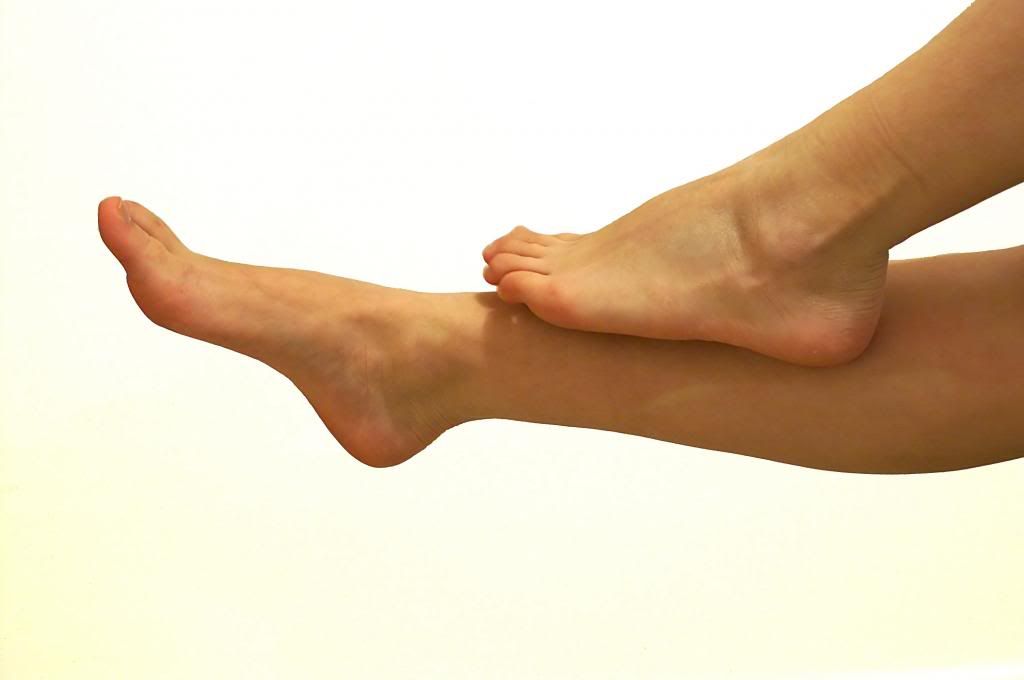
Many pregnant women experience mild swelling in the ankles and/or feet especially towards the end of the third trimester of the pregnancy. You may notice that the extent of the swelling may vary during different times of the day. For eg. It is quite common to find your feet to be more puffy at the end of the day.

What causes swollen ankles and feet during pregnancy?

During pregnancy, up to 50% more fluids is produced in a woman's body as reported by the American  Pregnancy Association. This is part of the process to prepare the mother's body for the growth of baby as well as for the birth of the baby. Excess fluids are retained especially in the feet and ankles due to the law of gravity and causes the the swelling in the ankles and feet.
Also, the additional weight gained during pregnancy actually slows down the blood and fluid circulation in the body and causes water retention to take place, commonly in the ankles and feet.

What can you do about it?

While they may not be a avoided, there are some ways to help minimize swollen feet and ankles during pregnancy:

1. Avoid long periods of standing up or being on your feet. 
 Prop up your feet or keep your feet slightly elevated when sitting down.
 (Tip: In the office, stack up two telephone directories and prop as a foot rest.)

2. Prop up your legs on a pillow when you sleep at night. 
(Tip: with the feet propped up, get the husband to massage feet, gently massaging the swollen areas away from the feet and ankles.)

3. Reduce your intake of salt(sodium).  
Avoid adding additional sodium in your diet (for eg .sliced chili that is drenched in soya sauce- a common Asian favourite) and cutting down on processed foods which are commonly known to have high salt content.

4. Increase you intake of potassium rich foods.
Potassium balance the levels of fluids in the body. It also stimulates the kidneys to eliminate excess fluids and along with it excess sodium.

5. Drink adequate water each day
Water hydrates the body and flushes out toxins and excess sodium from the body.

6. Wear comfortable shoes. 
With many choice of stylish flat shoes such as ballet pumps, you won't be 
sacrificing style for comfort!


Thursday, October 17, 2013

Keep Baby Safe from Secondhand Smoke


Do you know that breathing even a little secondhand smoke can be harmful to your unborn child?

What is Secondhand smoke?
It is the smoke that is comes from tobacco products which is released into the environment by smokers, and unintentionally inhaled by nonsmokers.

What so bad about it ?
The American Cancer Society[1] reports that secondhand tobacco smoke contains 7000 chemicals, with 250 or more being harmful, and at least 69 are known to cause cancer. Nonsmokers who inhale the secondhand smoke, also inhale the nicotine and toxic chemicals.

Effects on the Pregnancy and Secondhand smoke
Exposure to secondhand smoke may have the following negative effects on your unborn baby, as reported by the Surgeon General[2] in the US:
  •  Increases the chances of your baby being a low-weight baby
  •  Increases the incidence of respiratory problems in your baby such as pneumonia and bronchitis
  • Increases the risk of the baby having weaker lungs
  • Increases the risk of the baby developing bronchitis and pneumonia
  • Increases the risk of Sudden Infant Death (SIDS) in the baby’s first year
Protect your Baby
  • Make your home and car smoke-free zones. If you have family members at home who are smokers, seek their understanding and request that they smoke in the balcony or outside the home.
  • Avoid places where there would be smokers. For example, sitting at the in-door area of a restaurant, rather at the al fresco dining area where there would more likely to be smokers.


Hooray for Singapore's Anti-Smoking Laws. Know your rights as a non-smoker, Mums-to-be!
We should be thankful that in Singapore there are many place where smoking is prohibited by law. Besides the interior of malls and public buildings, did you know that in the following places, smoking is not allowed:
  • Bus Interchanges , Bus shelters and within 5m radius of bus shelters
  • Any common area of any residential premises or building, including void decks, common corridors, staircases & stairwells
  • Enclosed common areas of offices, e.g. corridors, lobbies, stairwells
  • Any area within 5 m of any entrance/exit/window/ventilation intake of a buildings
  • Covered drop-off or pick-up points

See the 2013 updated list of places in Singapore where smoking is banned on the National Environmental Agency (NEA) Website

So pregnant mums, know your rights to a smoke free environment.  The NEA has Guidelines on handling errant smokers,some parts of which I found to be quite amusing. For example: "The manager/operator should speak to the person(The errant smoker) 
privately in a polite way (talk in a soft tone or whisper into his ear)."  Hmmm.

To report errant smokers, do inform the building management, or for  public places where there is no management , call NEA at 1800-CALL-NEA (1800 225 5632) to file a report.

Lets be empowered to know that we can take steps to protect our baby from secondhand smoke.